Promover o sucesso académico, o bem-estar e a inclusão no ensino superior exige mais do que iniciativas isoladas. Exige uma cultura institucional capaz de colocar os estudantes no centro, acompanhar os seus percursos e criar condições para que cada um possa desenvolver o seu potencial.
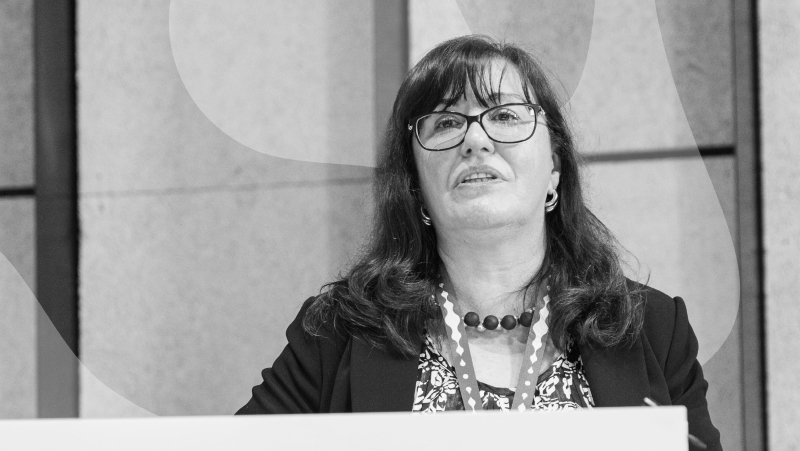
Para Luke Millard, uma abordagem integrada a toda a instituição é essencial para responder à diversidade crescente das comunidades académicas e evitar que os estudantes fiquem entre diferentes estruturas, projetos ou mecanismos de apoio.
Nesta entrevista ao CNIPES, Luke Millard reflete sobre os desafios atuais do sucesso dos estudantes, do bem-estar e da inclusão, aborda a importância da cultura institucional e destaca o valor das redes colaborativas na partilha de boas práticas e na transformação do ensino superior.
1. From your perspective, what are the main challenges higher education institutions currently face in promoting academic success, student wellbeing, and inclusion?
Interconnectedness – is this initiative part of a whole institution approach to enable students to be successful or is it a series of isolated projects that have limited impact. An institutional approach will ensure that no student slips between these activities and that all are engaged. The key here is that the institutional culture cares enough about its students to track and monitor, to contact and to ensure that if a student is unable to continue, they make a positive decision to do so; they just don’t drift away, with no one taking any interest or knowing what happened to that student.
2. Which international practices or models do you consider particularly relevant for creating more inclusive, diverse academic environments that respond to the needs of different student profiles?
Personalisation of learning – how and when do institutions assess the skills and experiences that students bring to their studies? When do students sit and reflect and recognize their strengths and weaknesses? How is this key self-assessment built into our academic programmes so that we show we value this reflection and students know that it is important? Through such questions we are able to support and challenge our every changing student populations and also, as a result, to improve our own curriculum to address those evolving needs. In that regard, Lizzio’s five senses of student success provides my own foundational driver as at its heart is the question about institutional culture.
3. How can knowledge sharing between institutions from different countries accelerate the adoption of innovative pedagogical practices?
We are all on this journey together. No course, university or nation is the best at everything, we all have aspects that we are good at and others that we need to improve upon. In my experience, the vast majority of academics and practitioners are happy to share their insights, but we need to do the research to find out who they are. Conferences are the best way to be exposed to a multitude of new approaches and the best, in my opinion, is coming to the University of Minho in 2027, the European First Year Experience Conference. If we can design academic programmes and developmental opportunities that work for first year students, then we can build from there.
4. What contribution can collaborative networks, such as CNIPES, make to disseminate good practices, generate knowledge, and support the growth of centres dedicated to academic success, wellbeing, and inclusion?
Openness to collaboration is the key and setting that culture through CNIPES could prove vital. Undergraduate student success is not competitive, we are all in this together. Recruitment practices may be competitive, but the moral responsibility we take on when we accept students onto our programmes of study means that we should use any means to ensure that we provide the best curriculum, professional service support and development opportunities that we can, to enable them to succeed. To do that we need to learn from others and CNIPES can provide that vehicle ensuring that the successful approaches are shared. Learning from failure is also important, but I have yet to find a network or many academics that are keen to share those insights.
Tema Vozes da Comunidade Académica